
The approach to creating a workout routine can be confusing, especially when deciding where to start. Understanding the fundamental human movement patterns can help organize the exercises we do and provide a framework for structuring a balanced program. By incorporating these 7 movement patterns, we can target the major muscle groups while helping address muscle imbalances that may stem from poor exercise programming.
1. PUSH
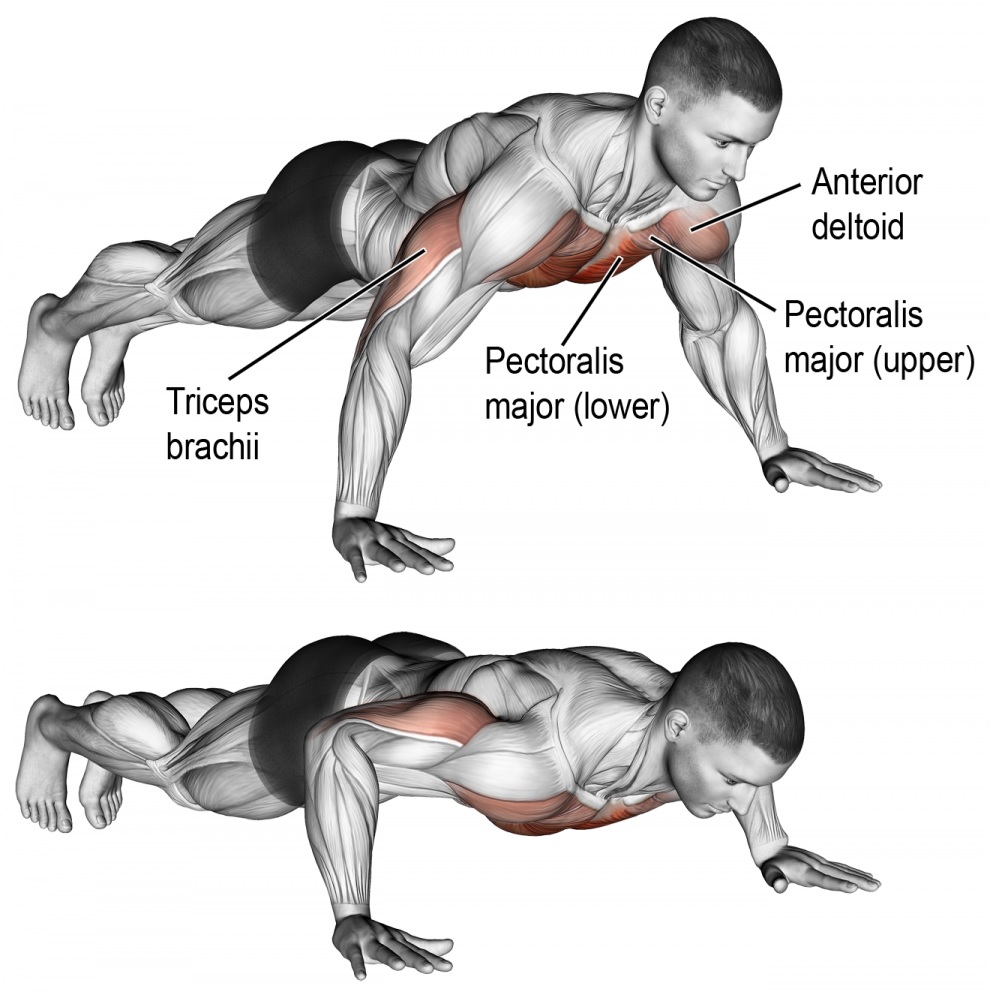
Pushing exercises are generally broken down into two categories: vertical push and horizontal push. This movement is executed by pushing an external load away from your body in an open kinetic chain exercise, or by pushing your body away from a fixed hand position, such as during a push-up, in a closed kinetic chain exercise.
Examples of Horizontal push exercises:
- Flat Bench Press
- Close Grip Bench Press
- Floor Press
- Dumbbell Press
- Push-Up

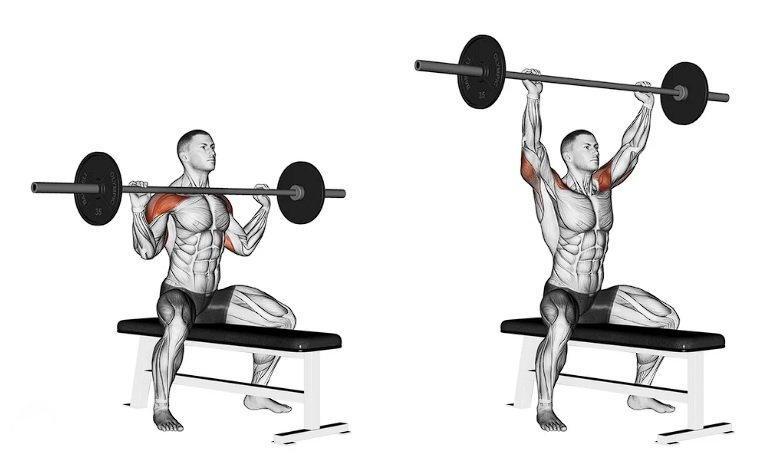
Examples of vertical push exercises:
- Push Press
- Seated Dumbbell Press
- Push Jerk
EXAMPLES OF EXERCISES THAT DOesN’T FIT PERFECTLY:
- Dip
- Incline Press
- Decline Press
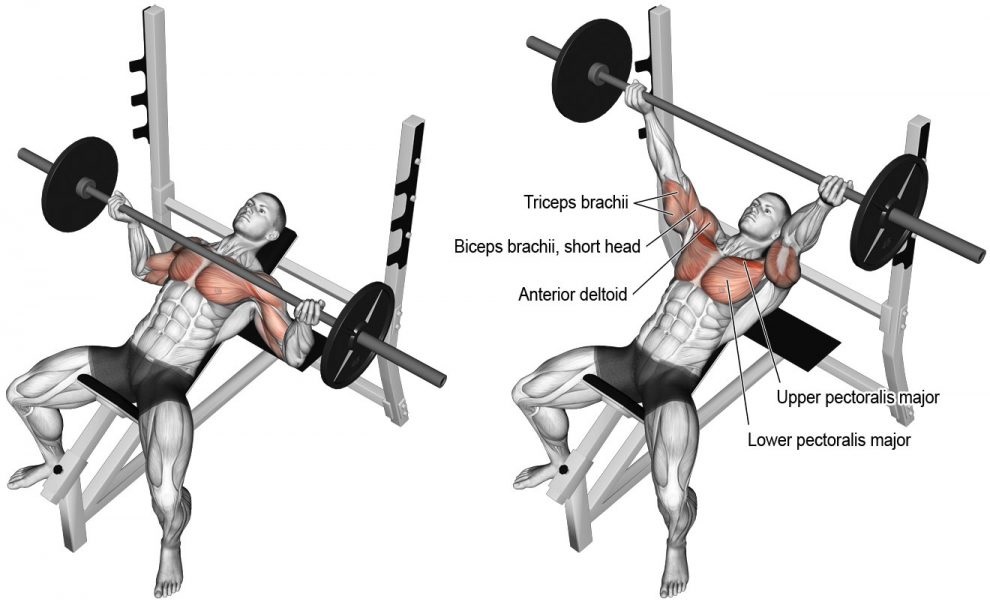
These unique movements can be categorized based on the agonist (primary) muscle being emphasized. Therefore, incline presses are generally considered a vertical press, while decline presses and dips are viewed as horizontal presses. As the angle of the humerus during pressing movements shifts from horizontal (in front of the body) to vertical (overhead), there is a change in the muscles primarily recruited as the agonists.
Although these muscles work synergistically, horizontal presses rely heavily on the sternocostal head of the pectoralis major, incline presses rely more on the clavicular head of the pectoralis major, and vertical presses predominantly recruit the anterior deltoid.
All of these movements also depend heavily on the triceps brachii to maintain elbow extension throughout the movement.
2. PULL
Pulling exercises are movements in which muscular force pulls an external load toward your body (open kinetic chain) or pulls your body toward your hands (closed kinetic chain). Similar to pushing movements, pulling exercises can also be divided into horizontal and vertical pulls. Due to the complexity of the musculature involved, pulling exercises can further be broken down into four subsets:
- High Row (Horizontal Abduction) — trapezius (middle and lower fibers), rear deltoids, rhomboids
- Low Row (Shoulder Extension) — latissimus dorsi
- Wide Grip Pull (Vertical Adduction) — latissimus dorsi and teres major/minor
- Close Grip Pull (Shoulder Extension) — latissimus dorsi
The first two categories represent horizontal pulls (rows), while the latter two characterize vertical pulls. Categorizing pull exercises in this fashion simplifies the development of a balanced pulling routine that targets the majority of the back musculature.
Although low rows and close grip pulls share similar agonist muscles, they play different roles in developing the latissimus dorsi. In a close grip pull, the movement begins with the upper arms fully extended overhead as the weight is pulled down toward the chest. The resistance curve is greatest while loading shoulder extension from 180 degrees to roughly 90 degrees.
In contrast, low rows begin with the arms fully extended in front of the body and end as the elbows reach the sides of the rib cage. These movements load shoulder extension primarily from 90 degrees to 0 degrees. Together, these exercises train the lats through a fuller range of motion.
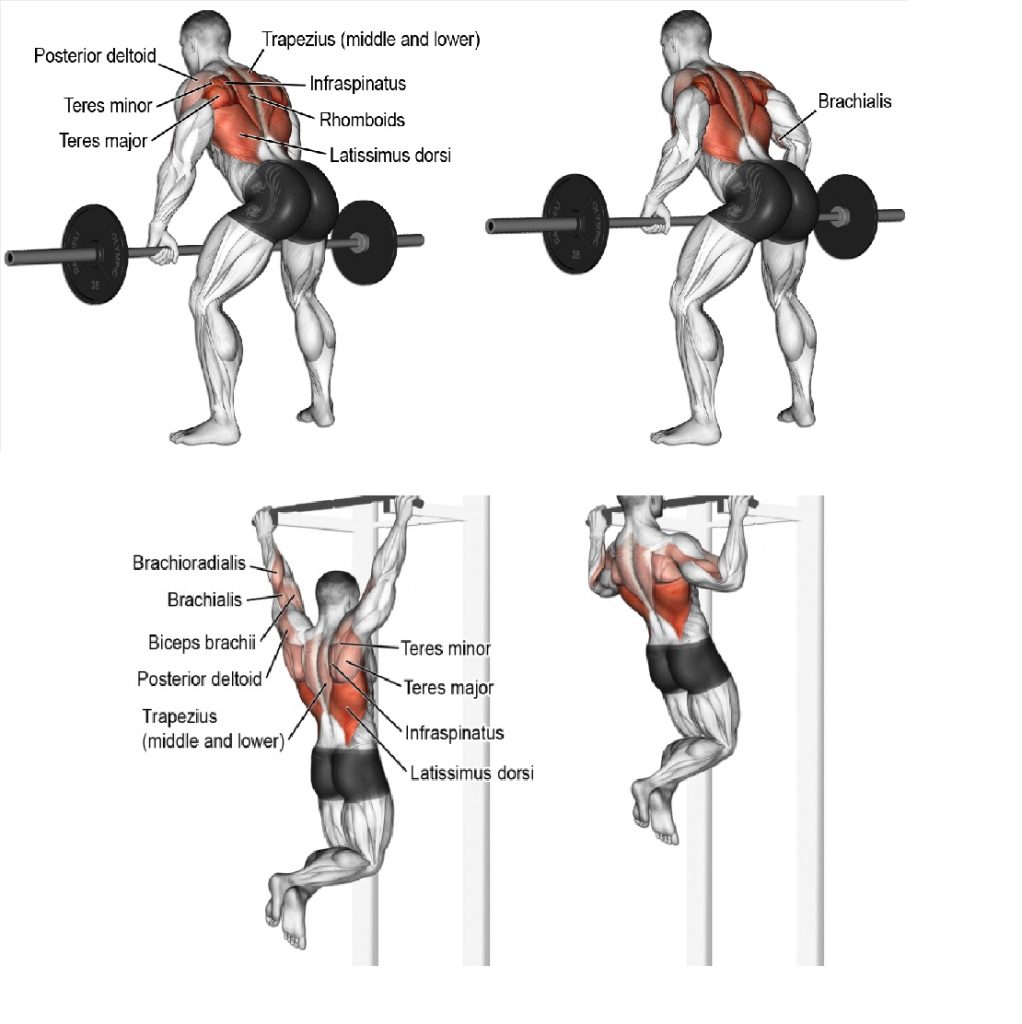
A balanced back routine should include at least one exercise from each category.
Examples of PULL EXERCISES:
- Cable Face Pull (high row)
- TRX T’s (high row)
- Pendlay Row (high row)
- Barbell Row (low row)
- Single Arm Dumbbell Row (low row)
- Pull-Up (wide grip pull)
- Wide Grip Cable Lat Pulldown (wide grip pull)
- Chin-Up (close grip pull)
- Close Grip Cable Pulldown (close grip pull)
- Dumbbell Pullover (close grip pull)
3. SQUAT
The squat is one of the most complex human movement patterns, recruiting the majority of the lower body musculature and core. The squat primarily targets the glutes, quadriceps, and core. The hamstrings also contribute by stabilizing the hip and knee while assisting with hip extension.
Variations of the squat can be manipulated through foot placement, load placement, and type of load used. The angle of the torso and bar placement can drastically alter muscular emphasis.
Two major barbell squat variations are the high bar squat and low bar squat. While both use a barbell, differences in positioning significantly alter muscle recruitment.
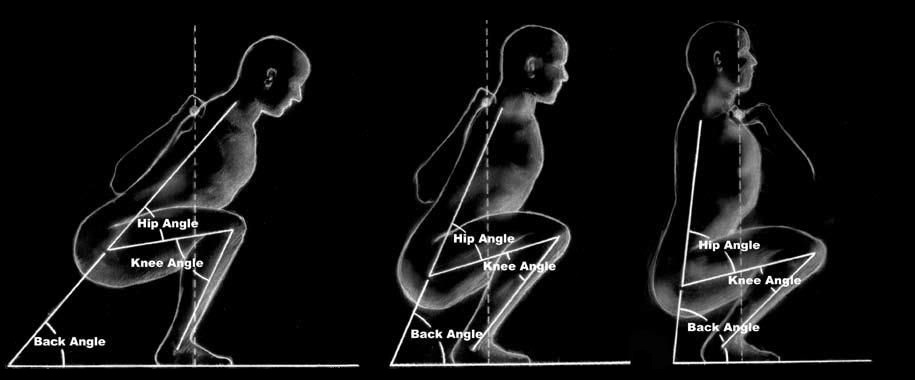
During a high bar squat, the feet are typically around hip-width apart and the barbell rests on the upper traps. This variation generally recruits more quadriceps involvement and keeps the torso more upright at the bottom of the movement.
The low bar squat typically uses a slightly wider stance with the bar positioned lower across the mid traps/rear deltoids. This shifts more emphasis toward the posterior chain, particularly the gluteus maximus and erector spinae.
Other notable squat variations include the front squat and overhead squat, both of which are heavily utilized in Olympic weightlifting. Variations of the clean and snatch are also frequently programmed to develop explosiveness in athletes outside of Olympic lifting.
Factors influencing squat mechanics include:
- Hip mobility
- Ankle mobility
- Anthropometric ratios (torso length, femur length, tibia length)
- Femur angle
Squatting is not one-size-fits-all. Experimenting with different stances and setups can help determine what best suits your structure and mobility.
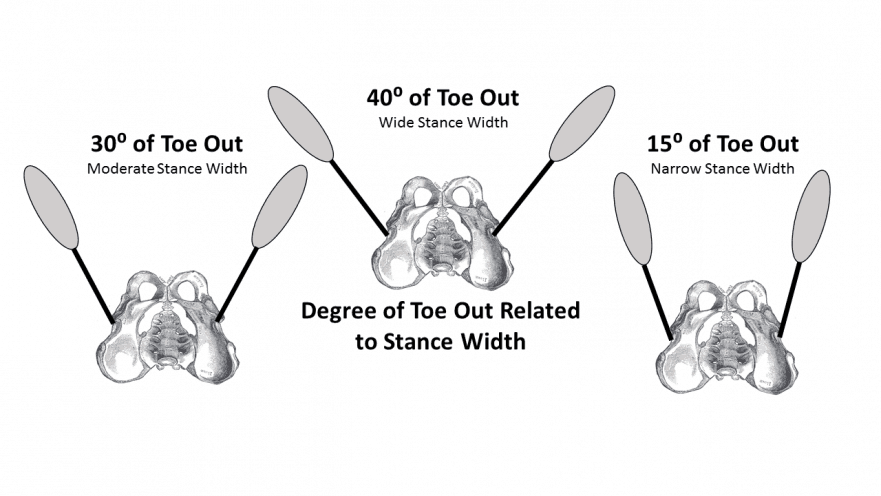
Examples of squat variations:
- Bodyweight Squat
- Low Bar Squat
- High Bar Squat
- Overhead Squat
- Front Squat
- Box Squat
- Banded Squat
- Zercher Squat
- Goblet Squat
- Oscillating Squat
- Jump Squat
4. HINGE
The hip hinge is one of the most overlooked movement patterns in many programs, despite being one of the most important for athletic performance and long-term health.
The primary muscles recruited during hip hinge movements include:
- Hamstrings
- Gluteus maximus
- Erector spinae
Like the squat, the erector spinae primarily acts as a stabilizer, helping maintain spinal integrity and resisting excessive lumbar flexion.
Many lower body exercises heavily emphasize the quadriceps. While movements such as squats and lunges do recruit the glutes, quad dominance is extremely common. Over time, disproportionate strengthening of the quads relative to the hamstrings can contribute to knee imbalances and altered movement mechanics.
Hip hinge exercises help restore balance by strengthening the posterior chain, particularly the hamstrings and glutes.
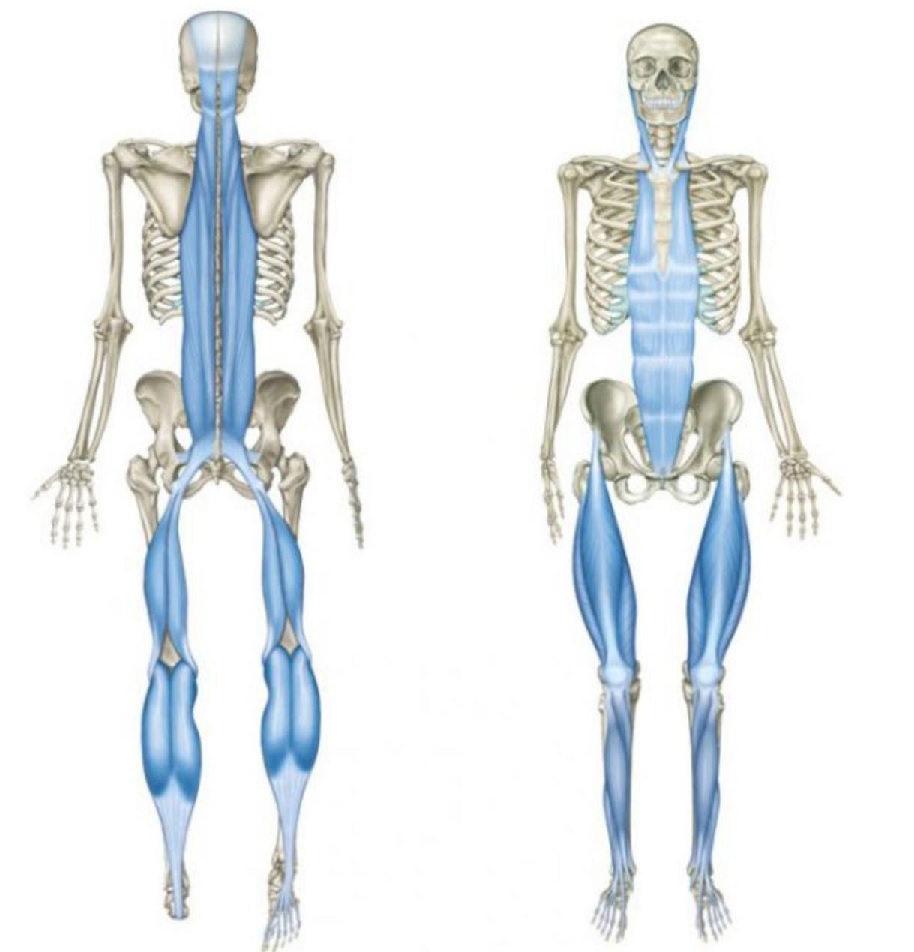
The hamstrings also play an important role in pelvic positioning. Prolonged sitting can contribute to tight hip flexors and excessive anterior pelvic tilt (hyperlordosis). Since the hamstrings originate from the pelvis, strengthening them can help counter excessive anterior tilt by promoting posterior pelvic control.
The gluteus maximus is one of the body’s most powerful muscles and plays a critical role in athletic performance. Hip extension is essential for sprinting, jumping, cutting, and acceleration.
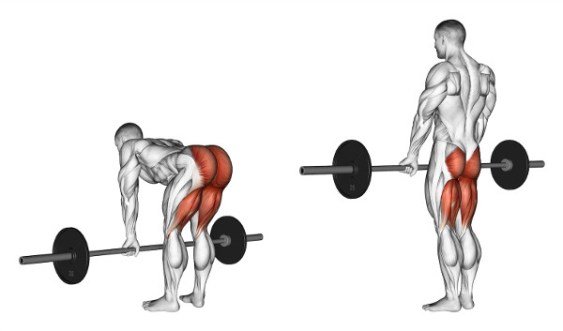
Examples of hip hinge exercises:
- Deadlift (conventional and sumo)
- Romanian Deadlift (RDL)
- Good Morning
- Hip Thrust
- Glute Ham Raise (GHR/GHD)
- Band or Cable Pull Through
- Kettlebell Swing
5. LUNGE
Lunges, also known as unilateral or single-leg exercises, resemble squat patterns but are unique because they are performed one limb at a time.
A major benefit of unilateral training is increased recruitment of stabilizing musculature, including:
- Glute medius
- Glute minimus
- Adductors
- Lateral hip rotators
While the glute max and quadriceps remain the prime movers, balance demands increase the contribution of stabilizers that help maintain knee alignment.
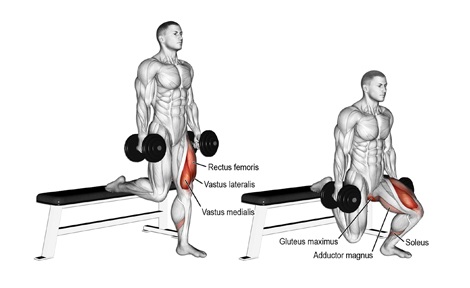
Single-leg exercises are also useful for identifying and correcting asymmetries. Bilateral movements can allow the stronger limb to compensate for the weaker side, masking imbalances.
Another benefit is the phenomenon of cross-education (bilateral transfer), where training one limb can positively affect strength and motor control in the opposite limb. This can be useful during rehabilitation when one side is injured.
Unilateral exercises also require less external loading to achieve high relative intensities compared to bilateral movements. This can help reduce overall spinal loading while still training strength effectively.
Examples of lunge variations:
- Walking Lunges
- Reverse Lunges
- Bulgarian Split Squats (RFESS)
- Side Lunges
- Step-Ups
6. GAIT
Gait refers to locomotion patterns such as walking, jogging, running, sprinting, bounding, and loaded carries. Locomotion is essential because it integrates multiple muscle groups to move the body through space.
Factors that influence gait include:
- Velocity
- Change in velocity
- External load
- Terrain/environment
Walking always maintains at least one foot in contact with the ground, whereas running and sprinting introduce a flight phase where both feet leave the ground simultaneously.
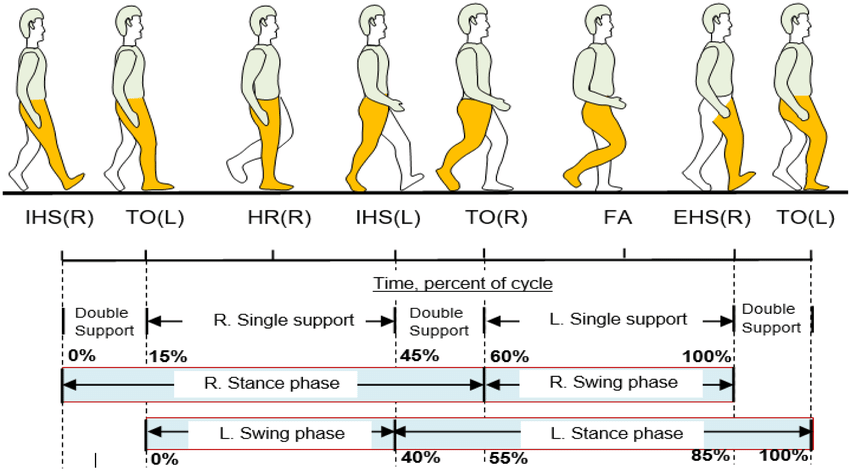
As velocity increases, movement becomes increasingly plyometric in nature.
During acceleration, the glutes, quadriceps, and gastrocnemius contribute heavily. During maximal velocity running, the glutes, hamstrings, and soleus become increasingly important.
Load placement also alters gait mechanics. Examples include:
- Yoke walks
- Farmer’s carries
- Suitcase carries
- Sled pushes
- Sled drags
Asymmetrical loading, such as a suitcase carry, also challenges core stability and anti-lateral flexion.
Examples of gait-based exercises:
- Jogging/Running/Sprinting
- Farmer’s Carry
- Single Arm Suitcase Carry
- Sled Push
- Sled Drag
- Yoke Walk
- Uphill/Downhill Sprint
7. CORE
Core training is often misunderstood. Many people associate the core solely with visible abdominal muscles, but the primary role of the core is stability.
The muscles of our core are presented in layers from superficial to deep:
External Oblique → Rectus Abdominis → Internal Obliques → Transverse Abdominis
The orientation of these muscle fibers allows the trunk to stabilize against forces in multiple directions.
Rather than focusing solely on movement-based exercises like crunches and Russian twists, modern core training often emphasizes resisting movement.
There is nothing wrong with wanting to get defined abs, but our main priority should be the stability of our core and not just the visibility of our core.
The three major categories of core training are:
- Anti-rotation
- Anti-extension
- Anti-lateral flexion
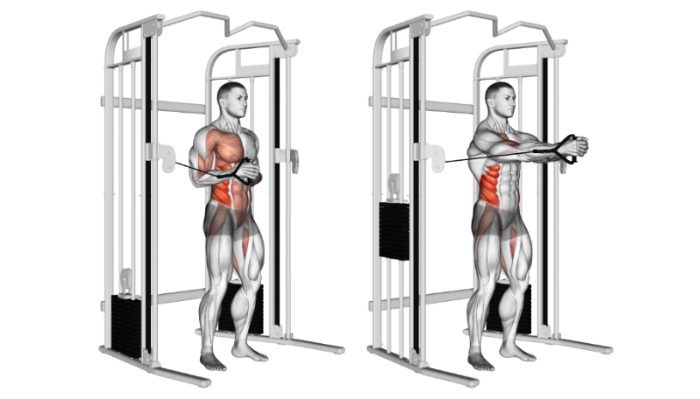
Examples:
Anti-Rotation (Exercises that resist rotational forces)
- Pallof Press
- Renegade Row
- Contralateral Shoulder Tap
Anti-Lateral Flexion (Exercises that resist side bending)
- Single Arm Suitcase Carry
- Side Plank
Anti-Extension (Exercises that resist excessive spinal extension)
- Plank
- V Hold
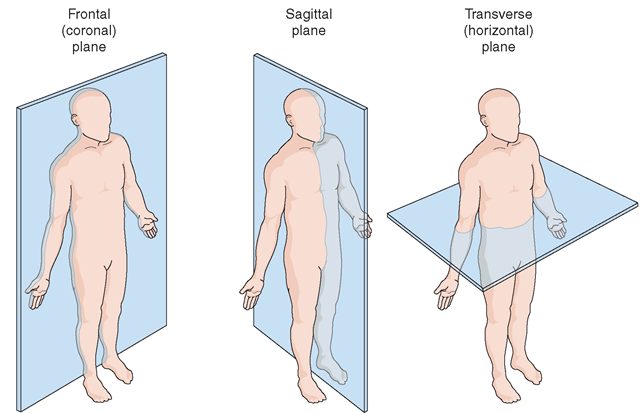
Core stability and the ability to resist perturbation in all planes are critical for both injury prevention and athletic performance.
CONCLUSION
Using the information in this article, you can begin building a more balanced workout program. Depending on how many days per week you train and how much time you have available, choose exercises that address each movement category.
If you train once per week, try to include at least one exercise from each of the seven categories. While you may not have time to cover every subset, touching each major movement pattern is still beneficial.
As training frequency increases, you can allocate more volume and exercise variation toward each category.
This is not an all-encompassing guide to programming—we have not discussed variables such as sets, reps, intensity, rest periods, or progression. We have also only briefly touched on topics such as asymmetries, muscle imbalances, and misalignments, which are important foundational topics to building a healthy body. However, the goal of this article is to provide a framework for understanding movement patterns so you can build a more balanced and effective training program.